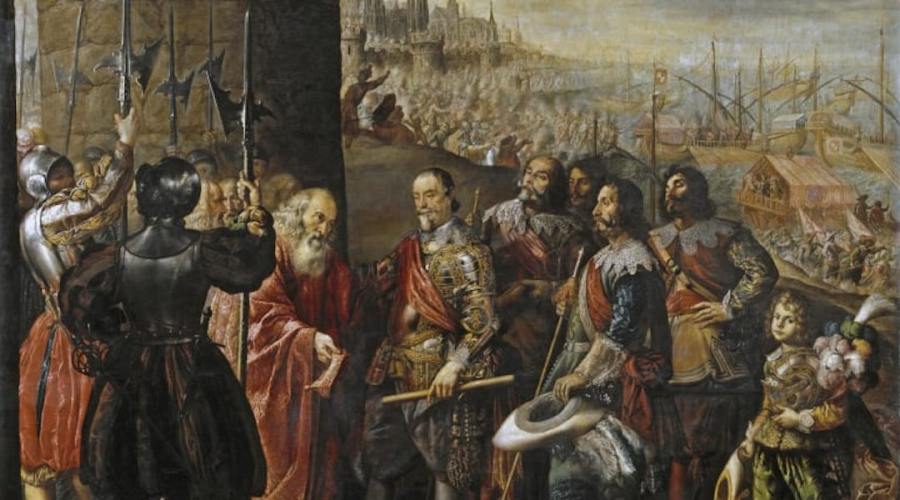
The first states showed signs of constitutional government, but the fifteenth-century military revolution caused some states to veer towards authoritarianism.
Category: political institutions

Why was Science So Successful in Europe?
The rapid progress of European science was not inevitable. It was facilitated by Europe’s legal institutions, in particular, by the concept of jurisdiction.

Economic Ideology and the Glorious Revolution
At the time of the Glorious Revolution, an ideology that emphasized the value of labour pushed aside an ideology that justified the power of the landowners.

A History of Religious Toleration
The struggle for religious toleration began in the sixteenth century. Its advocates risked their livelihoods, their freedom, and even their lives.

The Scientific Revolution, the Enlightenment, and the Industrial Revolution
The Industrial Revolution was one aspect of a dramatic change in the way that people thought of themselves and the world in which they lived.
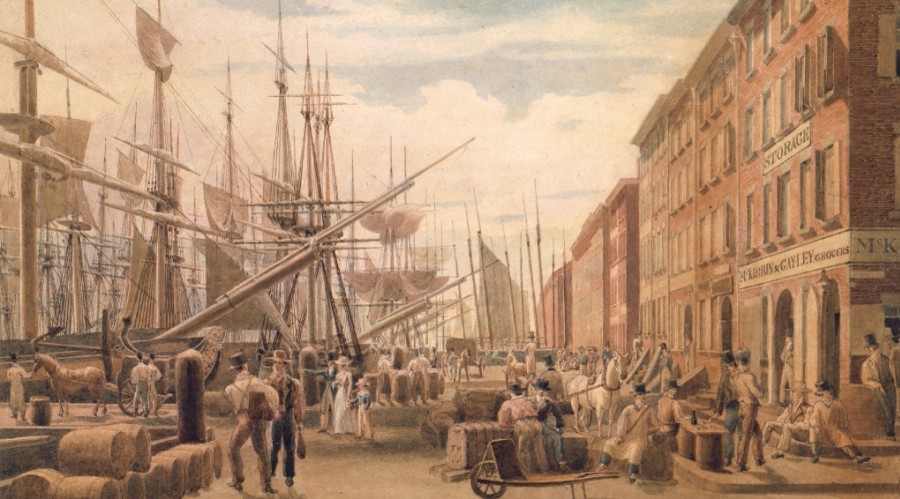
The Nineteenth-Century Rules for Growth
Britain’s first-mover advantage meant that other countries could not compete with it under free markets. They responded with a variety of protective policies.
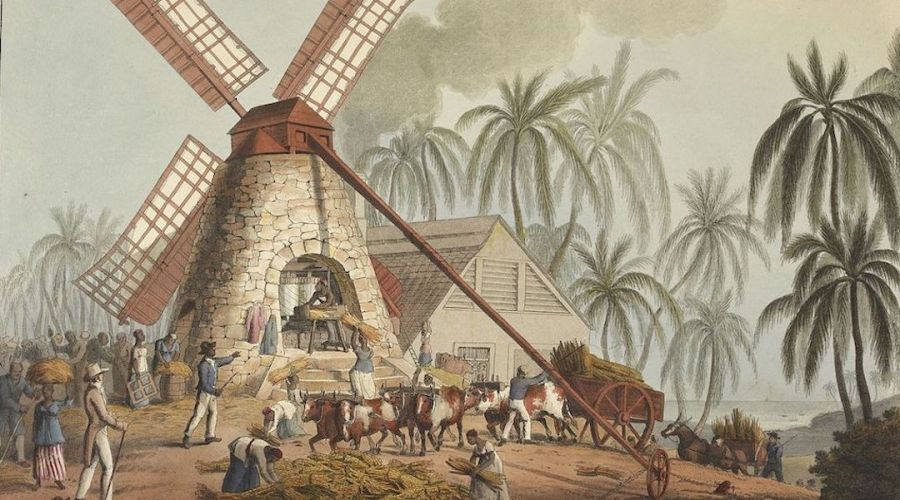
Why Nations Fail: Extractive and Inclusive Institutions
Acemoglu and Robinson argue that a country’s prosperity is determined by its political and economic institutions. Casual empiricism supports their argument.

Why Nations Fail: Theory is Tidy, History is Messy
Evidence from the Industrial Revolution does not support Acemoglu and Robinson’s claim that the transition to sustained growth always follows the same pattern.

Democracy’s Dilemma
Democracy only succeeds when it constrains the temptation to exercise power in ways that advance self-interests at the expense of national interests.

Property and Property Rights: A History
The Western concept of property has been influenced by such thinkers as John Locke, James Madison, John Stuart Mill, and Friedrich Hayek.
 Merchants and Mechanics