Skip to content

Merchants and Mechanics

Exploring the History of Economic Growth

Category: property rights

The End of Feudalism

The End of Feudalism

March 12, 2018September 18, 2023 Posted in economic institutions, history of economic growth, history of technology, history of trade and commerce, property rights

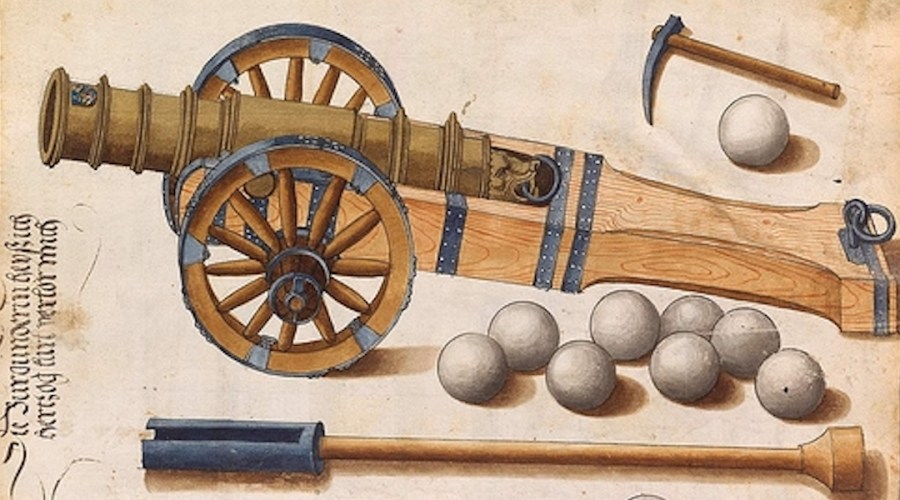
Feudalism ended when the factors that had supported it disappeared: small and isolated populations, limited markets, the dominance of the knight in warfare.

Why was Science So Successful in Europe?

Why was Science So Successful in Europe?

March 5, 2018May 11, 2025 Posted in history of science, political institutions, property rights, social institutions

The rapid progress of European science was not inevitable. It was facilitated by Europe’s legal institutions, in particular, by the concept of jurisdiction.

Economic Ideology and the Glorious Revolution

Economic Ideology and the Glorious Revolution

January 29, 2018January 6, 2024 Posted in economic institutions, history of economic growth, history of trade and commerce, political institutions, property rights, social institutions

At the time of the Glorious Revolution, an ideology that emphasized the value of labour pushed aside an ideology that justified the power of the landowners.

The Scientific Revolution, the Enlightenment, and the Industrial Revolution

The Scientific Revolution, the Enlightenment, and the Industrial Revolution

December 25, 2017January 29, 2025 Posted in economic institutions, history of economic growth, history of science, history of technology, Industrial Revolution, political institutions, property rights

The Industrial Revolution was one aspect of a dramatic change in the way that people thought of themselves and the world in which they lived.
Why Nations Fail: Extractive and Inclusive Institutions

Why Nations Fail: Extractive and Inclusive Institutions

November 27, 2017June 12, 2023 Posted in economic institutions, political institutions, property rights, technological progress

Acemoglu and Robinson argue that a country’s prosperity is determined by its political and economic institutions. Casual empiricism supports their argument.

Why Nations Fail:
Theory is Tidy, History is Messy

Why Nations Fail:
Theory is Tidy, History is Messy

November 20, 2017January 19, 2024 Posted in economic institutions, history of economic growth, history of trade and commerce, Industrial Revolution, political institutions, property rights, technological progress

Evidence from the Industrial Revolution does not support Acemoglu and Robinson’s claim that the transition to sustained growth always follows the same pattern.

Property and Property Rights: A History

Property and Property Rights: A History

November 10, 2017December 28, 2022 Posted in economic institutions, political institutions, property rights, social institutions

The Western concept of property has been influenced by such thinkers as John Locke, James Madison, John Stuart Mill, and Friedrich Hayek.

  • Home
  • About Me
  • Contact
  • What’s New?
  • All Posts

Search

Blog at WordPress.com. Merchants and Mechanics
  • Subscribe Subscribed
    • Merchants and Mechanics
    • Join 59 other subscribers
    • Already have a WordPress.com account? Log in now.
    • Merchants and Mechanics
    • Subscribe Subscribed
    • Sign up
    • Log in
    • Report this content
    • View site in Reader
    • Manage subscriptions
    • Collapse this bar